Understanding Endometriosis Excision Surgery: A Comprehensive Guide
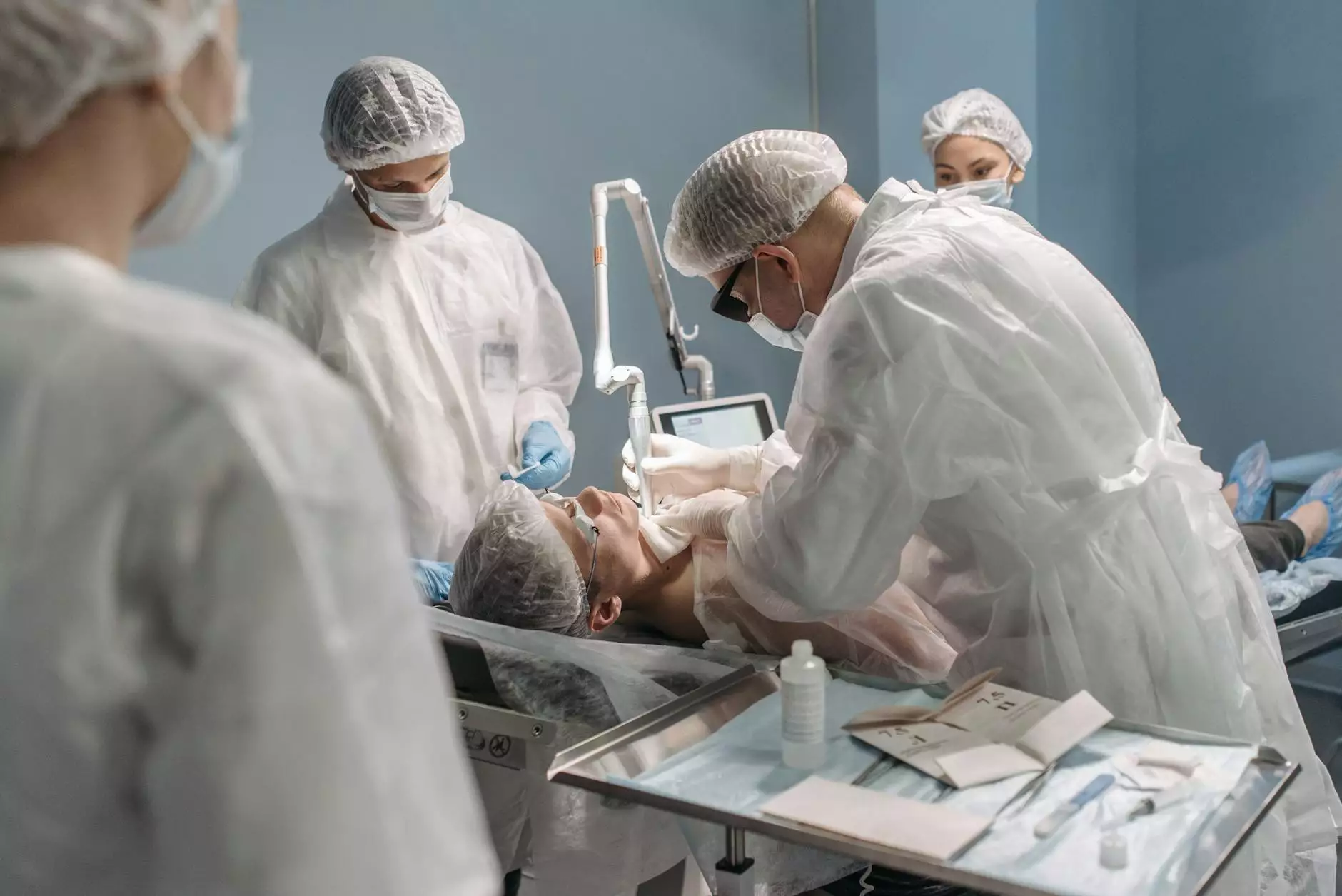
Endometriosis excision surgery is a vital procedure for women who suffer from the debilitating effects of endometriosis. This article will delve into the intricacies of this surgery, highlighting its importance, benefits, and the overall impact it has on patients' lives.
What is Endometriosis?
Endometriosis is a medical condition where tissue similar to the lining of the uterus grows outside the uterus. This tissue can cause severe pain, especially during menstruation, and can lead to other complications such as infertility.
Women experiencing endometriosis often encounter a myriad of symptoms, including:
- Chronic pelvic pain
- Severe menstrual cramps
- Pain during intercourse
- Pain with bowel movements or urination
- Excessive bleeding
- Infertility
Understanding Endometriosis Excision Surgery
Endometriosis excision surgery involves the careful removal of endometrial tissue that has grown outside the uterus. This surgical procedure is not merely about alleviating pain; it aims to provide long-term relief from the symptoms associated with endometriosis and can potentially improve fertility outcomes for those trying to conceive.
Types of Endometriosis Surgery
There are primarily two types of surgical interventions for endometriosis:
- Laparoscopy: A minimally invasive procedure where small incisions are made in the abdomen to remove endometrial tissue.
- Laparotomy: A more invasive approach that involves a larger incision and is often used for more severe cases of endometriosis.
Why Choose Excision Over Ablation?
Excision surgery is often favored over ablation because it accurately removes the endometrial implants instead of merely destroying them. The benefits of excision include:
- Complete removal: Excised tissue is sent for pathology, ensuring complete removal of endometriosis.
- Longer-lasting relief: Patients often experience reduced pain levels post-surgery compared to those who undergo ablation.
- Lower recurrence rates: Excision significantly lowers the chance of endometriosis symptoms returning.
What to Expect Before Surgery
Preparation for endometriosis excision surgery includes several key steps to ensure both the patient and the medical team are ready for the procedure:
- Consultation: A thorough discussion with a qualified specialist, such as a gynecologist experienced in treating endometriosis.
- Diagnostic tests: Imaging tests such as ultrasounds or MRIs may be ordered to assess the extent of endometriosis.
- Preoperative instructions: Patients will receive guidelines to follow before surgery, including dietary restrictions and medication management.
During the Surgery
The endometriosis excision surgery is typically performed under general anesthesia. The surgeon will make small incisions to insert a camera and surgical instruments. The process includes:
- Identifying endometrial tissues on organs such as the ovaries, fallopian tubes, and bladder.
- Carefully excising or cutting out the endometrial tissue.
- Monitoring surrounding organs to avoid damage and ensure complete removal.
Postoperative Care and Recovery
Post-surgery, patients may stay in the hospital for observation, or if laparoscopic, may go home the same day. Recovery from endometriosis excision surgery entails:
- Managing pain with prescribed medications.
- Following up with a doctor to monitor recovery and discuss any symptoms.
- Gradually returning to regular activities, typically within a few weeks.
Benefits of Endometriosis Excision Surgery
Choosing endometriosis excision surgery can offer numerous benefits, including:
- Significant pain relief which enhances the quality of life.
- Improvement in menstrual cycles.
- Potential enhancement of fertility, offering hope to those desiring to conceive.
- Reduction in the need for pain medication post-surgery.
Considerations and Risks
As with any surgery, it's crucial to understand the risks involved. While endometriosis excision surgery is generally safe, some potential risks include:
- Infection
- Bleeding
- Damage to surrounding organs
- Adhesion formation
Patients should discuss these risks thoroughly with their healthcare provider.
Are You a Candidate for Endometriosis Excision Surgery?
Candidates for endometriosis excision surgery typically include women diagnosed with moderate to severe endometriosis, particularly those experiencing debilitating pain or challenges with fertility. A thorough evaluation by a gynecologist specializing in endometriosis is necessary to determine the best course of action.
Finding the Right Specialist
When considering endometriosis excision surgery, it's essential to seek out a surgeon with specialized training and experience in endometriosis. Look for the following qualifications:
- Board certification in Obstetrics and Gynecology
- Specialization in endometriosis management
- Positive patient testimonials regarding surgical outcomes
Conclusion
In summary, endometriosis excision surgery represents a significant advancement in the treatment of endometriosis, providing many women with hope and relief from their symptoms. If you are struggling with the challenges of endometriosis, consider discussing surgical options with a qualified healthcare professional.
To learn more about the implications and benefits of this surgery, visit drseckin.com where you'll find additional resources and insights from experienced healthcare providers dedicated to women's health.