Programming a Multiplayer Game: A Comprehensive Guide
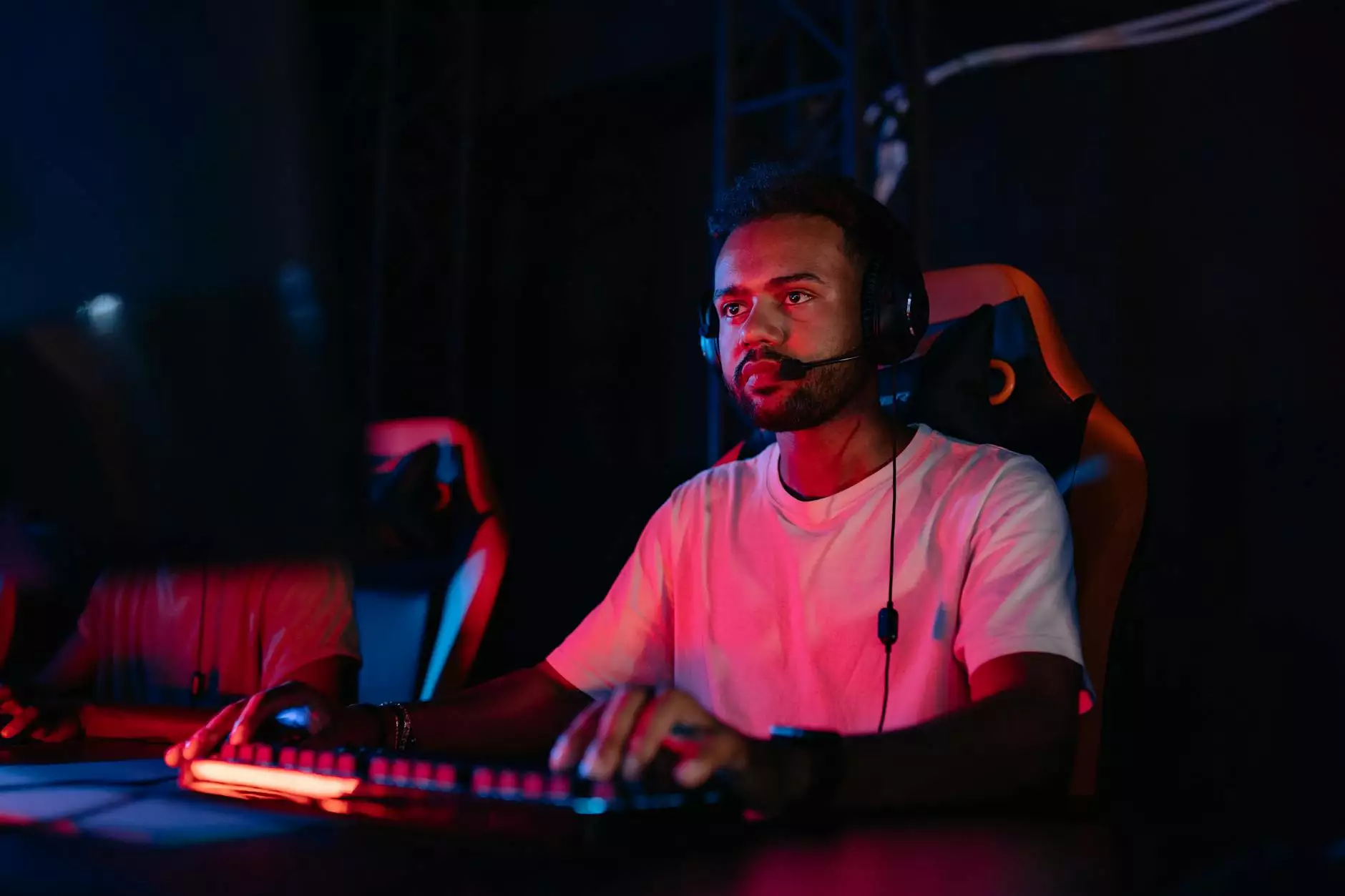
In the realm of game development, the excitement of programming a multiplayer game captivates both developers and players alike. Multiplayer games offer unique experiences, allowing players from different corners of the globe to connect, collaborate, and compete. This article delves into the intricacies of programming multiplayer games, showcasing essential techniques, tools, and best practices for developers.
The Rise of Multiplayer Gaming
With the advent of the internet, multiplayer gaming has thrived, transforming the gaming landscape. Games like Fortnite, League of Legends, and Apex Legends have set benchmarks for what is achievable in the multiplayer domain. The need for skilled developers to create engaging and responsive multiplayer experiences is more relevant than ever.
Understanding the Basics of Multiplayer Game Architecture
Before diving into the programming of a multiplayer game, it is essential to understand its architecture. There are several types of architectures utilized in multiplayer game development:
- Client-Server Architecture: This is the most common setup, where clients communicate with a central server that manages game states and player interactions.
- P2P (Peer-to-Peer) Architecture: In this model, players connect directly to each other, often resulting in reduced server costs but increased complexity in synchronization.
- Dedicated Server Model: Here, developers set up dedicated servers that players connect to, which enhances performance and stability.
Key Considerations When Programming a Multiplayer Game
When embarking on the journey of programming a multiplayer game, several crucial factors must be considered:
1. Real-Time Interaction
Latency plays a significant role in multiplayer gaming. Players expect real-time responses, and even the slightest lag can ruin the experience. Implementing solutions for latency compensation, such as extrapolation and interpolation techniques, is vital to enhance the player experience.
2. Security Measures
Online gaming presents various security challenges, including cheating and hacking. Robust security measures need to be built into the game's architecture. Techniques such as encryption, secure user authentication, and regular updates can help mitigate vulnerabilities.
3. Scalability
As games gain popularity, the number of concurrent users can increase dramatically. Effective programming ensures that your game can scale without compromising performance. Cloud-based solutions and load balancing techniques are essential for handling increased traffic.
4. Cross-Platform Compatibility
To reach a wider audience, your multiplayer game should support cross-platform play. This requires careful programming to ensure that players on different devices can interact seamlessly. Utilizing game engines like Unity or Unreal Engine can facilitate this process.
Essential Tools and Technologies for Multiplayer Game Development
There are various tools and technologies available for developers focused on programming a multiplayer game:
- Game Engines: Popular engines like Unity and Unreal Engine come equipped with built-in features to facilitate multiplayer game development.
- Networking Libraries: Libraries such as Photon and Mirror provide essential networking capabilities to ease the burden of handling connections and data transfer.
- Databases: Maintaining player data and game states often requires reliable database management systems. Solutions like Firebase or custom SQL databases provide crucial back-end support.
- Version Control Systems: Using tools like Git helps manage changes in the codebase efficiently, enabling collaboration among multiple team members.
The Development Process: From Concept to Launch
The journey of programming a multiplayer game is structured into distinct phases:
1. Conceptualization
Every great game starts with an idea. During this stage, developers brainstorm game mechanics, themes, and target audiences. This phase sets the foundation for all subsequent efforts.
2. Design
Once the concept is solidified, the design phase kicks in. Designers work on game rules, level layouts, character designs, and user interfaces. Prototyping is essential here to visualize the gameplay experience.
3. Development
In this phase, programmers begin coding the game mechanics, user interactions, and the backend architecture. This is where the heart of the multiplayer game begins to take form with engaging gameplay experiences.
4. Testing
Testing is crucial to ensure that the game functions as intended. Developers must conduct alpha and beta testing phases to uncover bugs and gather player feedback, which helps refine the overall experience.
5. Launch
After rigorous testing, the final product is launched. This stage involves marketing the game, gathering user feedback, and preparing for post-launch support and updates.
Enhancing User Experience in Multiplayer Games
Creating a captivating experience for players is vital, especially in the competitive realm of multiplayer gaming. Here are some strategies:
1. Engaging Gameplay
Incorporate mechanics that encourage teamwork and healthy competition. Game modes that require cooperation among players can foster community and increase player retention.
2. Regular Updates
Players appreciate fresh content. Offering regular updates, new characters, game modes, or seasonal events can keep the player base engaged and encourage return visits to the game.
3. Community Building
Fostering a community around your game through social media, forums, and in-game events can elevate player engagement. Listening to community feedback can shape future updates and enhancements.
The Role of Pingle Studio in Game Development Outsourcing
Pingle Studio, a leading game development outsourcing company, specializes in programming multiplayer games that stand out. By leveraging advanced tools and best practices, Pingle Studio ensures:
- High-Quality Code: Our team adheres to industry standards, delivering code that is clean, maintainable, and optimized for performance.
- Expertise in Multiplayer Mechanics: Understanding the nuances of multiplayer gameplay, we craft unique experiences tailored to your target audience.
- Timely Delivery: We pride ourselves on delivering projects on time, ensuring that your game hits the market when you need it.
- Post-Launch Support: Our commitment doesn’t end at launch; we provide ongoing support, updates, and community management to keep your game thriving.
Conclusion
In conclusion, programming a multiplayer game is a complex yet rewarding endeavor that requires a blend of creativity, technical skills, and strategic planning. As the gaming industry continues to evolve, mastering the art of multiplayer game development is more crucial than ever. By utilizing the insights and strategies outlined in this article, developers can create engaging and immersive multiplayer experiences that resonate with players worldwide.
For expert assistance and to elevate your gaming project, consider partnering with Pingle Studio. With a proven track record in game development outsourcing, we are dedicated to bringing your multiplayer gaming vision to life.