Enhancing Agricultural Efficiency with Advanced Grain Monitoring Systems
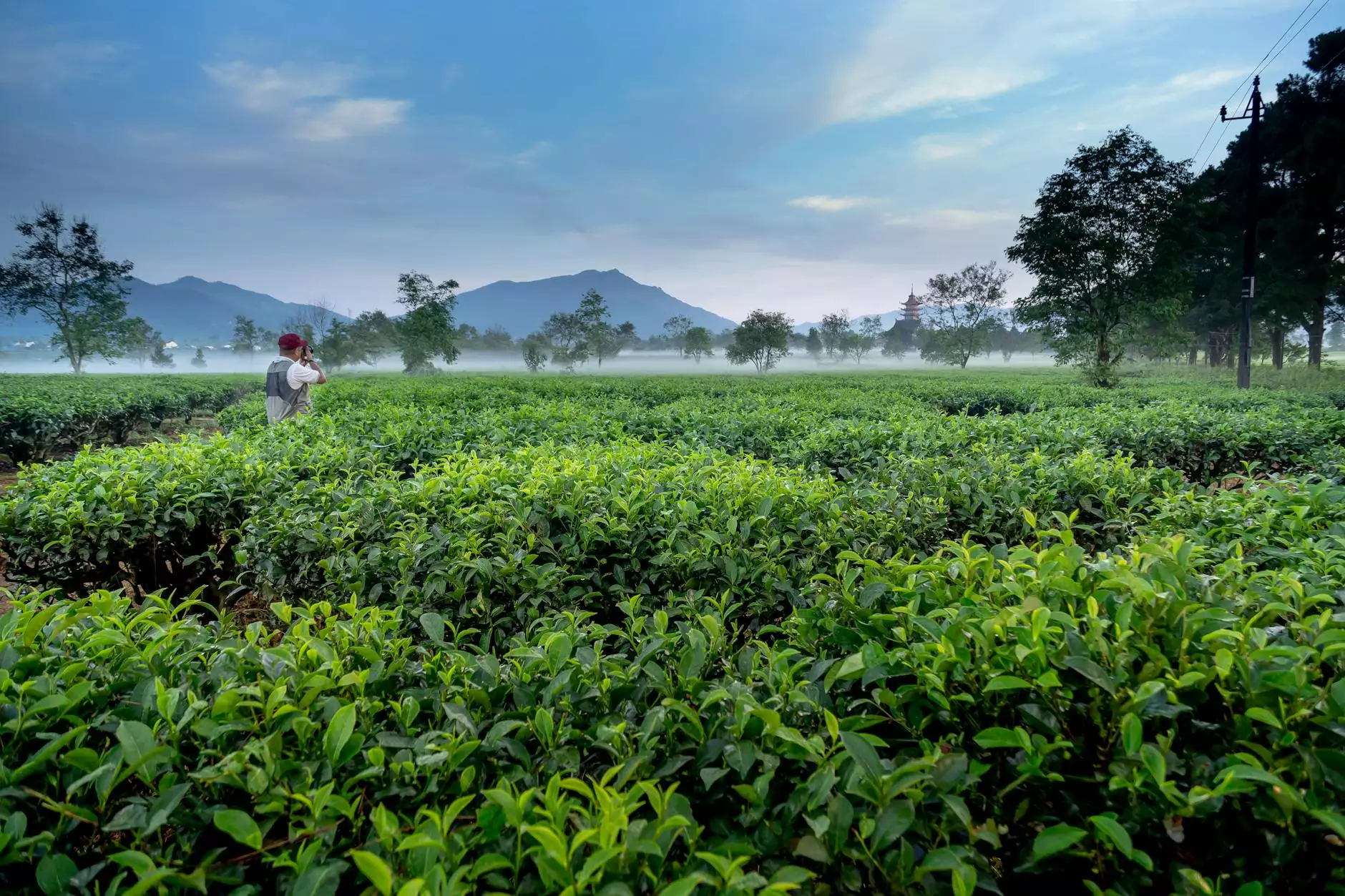
In today’s fast-paced agricultural landscape, the integration of technology has become imperative for farmers striving to enhance productivity and ensure sustainability. Among the most transformative advancements in agricultural technology are grain monitoring systems. These systems facilitate comprehensive tracking of grain storage conditions, ensuring optimal quality and safety of the produce. In this article, we will delve into the intricacies of grain monitoring systems, their benefits, and how they can revolutionize farm management practices.
What Are Grain Monitoring Systems?
Grain monitoring systems are sophisticated technologies that allow farmers to continuously monitor critical parameters of grain storage facilities. These parameters may include:
- Temperature - Monitoring the temperature of stored grain is essential for preventing spoilage and pest infestations.
- Moisture Content - Assessing moisture levels helps maintain grain quality as excess moisture can lead to mold and rot.
- CO2 Levels - Tracking carbon dioxide levels can indicate grain respiration rates and highlight issues like spoilage or infestation.
- Pressure and Airflow - Managing airflow improves ventilation and reduces the chances of spoilage.
These systems can also integrate with farm management software to provide farmers with real-time data that informed decision-making. By utilizing advanced sensor technology and cloud-based platforms, farmers can remotely access and analyze their grain storage conditions, optimizing operational efficiency.
The Importance of Grain Monitoring in Modern Agriculture
The agricultural industry is under constant pressure to produce more food with fewer resources. As such, the importance of effective grain management cannot be overstated. Here are several compelling reasons why implementing grain monitoring systems is essential:
1. Quality Assurance
Maintaining the quality of grain throughout the storage period is vital for maximizing profit margins. Grain monitoring systems help farmers ensure their product is free from pests, excess moisture, and spoilage, thus preserving its market value.
2. Yield Optimization
By monitoring environmental conditions and making necessary adjustments, farmers can maximize their yield. Systems equipped with humidity and temperature controls ensure that grains are maintained at ideal conditions, which can influence both quantity and quality.
3. Cost Efficiency
Investing in grain monitoring technology can lead to significant cost savings by minimizing waste and reducing the loss of inventory due to spoilage or pest damage. By employing grain monitoring systems, farmers can identify potential issues before they escalate, preventing costly repairs or losses.
4. Data-Driven Decision Making
Grain monitoring systems provide farmers with valuable insights based on real-time data. This power of decision-making enables proactive management of grain storage conditions rather than reactive responses to crises, ultimately enhancing productivity.
5. Regulatory Compliance
As food safety regulations grow stricter, farmers must comply with numerous standards. Grain monitoring systems facilitate compliance with regulations by providing detailed records of environmental conditions and grain quality over time.
Key Features of Modern Grain Monitoring Systems
Investing in a cutting-edge grain monitoring system can be transformative for your farm. Here are essential features to look for:
- Real-Time Monitoring - Continuous tracking of grain conditions allows for immediate action when deviations from optimal ranges are detected.
- Remote Access - Cloud connectivity enables farmers to access data from anywhere, ensuring that they remain informed regardless of location.
- Alerts and Notifications - Automated alerts can notify farmers of any abnormalities or dangerous conditions that require attention.
- Data Analytics - Advanced analytics provide trends and insights that help in predicting future conditions and making informed decisions.
- Integration Capabilities - The ability to integrate with existing farm management software enhances overall operational efficiency.
Choosing the Right Grain Monitoring System
Given the variety of options available in the market, selecting the right grain monitoring system is crucial. Here are some tips to help you make an informed decision:
1. Assess Your Needs
Consider the size of your storage facilities, the type of grain you store, and the specific environmental factors that may impact grain quality. This assessment will guide you in choosing a system that fits your operational needs.
2. Evaluate Technology & Features
Look for systems that offer the necessary features outlined earlier. Advanced technology such as wireless connectivity, easy-to-use interfaces, and robust data reporting tools can significantly enhance your operational capabilities.
3. Consider User Reviews and Reputation
Research various brands and systems, focusing on user feedback and success stories. Reputable manufacturers with positive reviews tend to provide better products and support services.
4. Check for Support and Training
Choose a provider that offers extensive customer support and training to ensure you can effectively utilize the system and resolve any issues that may arise.
Case Studies: Successful Implementation of Grain Monitoring Systems
Understanding the impact of grain monitoring systems through real-world applications can provide valuable insights. Here are a few case studies that illustrate their effectiveness:
Case Study 1: Improved Yield in Wheat Farming
A mid-sized wheat farming operation in the Midwest adopted a grain monitoring system to address issues of moisture retention and pest management. The system allowed the farmer to monitor moisture levels and make timely adjustments, reducing spoilage by 30%. The yield quality improved, ultimately enhancing profitability in the subsequent harvest.
Case Study 2: Enhanced Grain Quality in Corn Storage
A large corn storage facility implemented a multifaceted grain monitoring solution that tracks temperature, humidity, and CO2 levels. After the installation, the facility reported a dramatic reduction in loss due to spoilage. These proactive measures inspired confidence in buyers, resulting in higher sale prices due to the enhanced quality of the stored grain.
The Future of Grain Monitoring Systems
The future of grain monitoring systems is bright, with emerging technologies like artificial intelligence and machine learning promising even greater efficiency and capabilities. These innovations could allow for predictive analytics, where systems anticipate potential issues before they occur, enabling farmers to act proactively.
Moreover, the trend towards sustainability in farming will likely drive further advances in grain monitoring technologies. By optimizing the storage conditions of grains, farmers can reduce wastage, conserve energy, and lessen their environmental footprint.
Conclusion
In conclusion, grain monitoring systems represent a critical investment for modern farmers seeking to enhance efficiency, ensure quality, and optimize resource use. With the ongoing advances in agricultural technology, integrating these systems into farm management strategies is not just beneficial but essential for staying competitive in today’s market. By understanding the features, benefits, and future trends of grain monitoring systems, farmers can make informed decisions that will undoubtedly lead to improved outcomes and greater profitability.
For more information on how to implement effective grain monitoring systems in your agricultural practices, visit tsgcinc.com to explore our range of farm equipment repair and farming equipment solutions.