How to Start Swing Trading: A Definitive Guide to Unlocking Profitable Market Opportunities
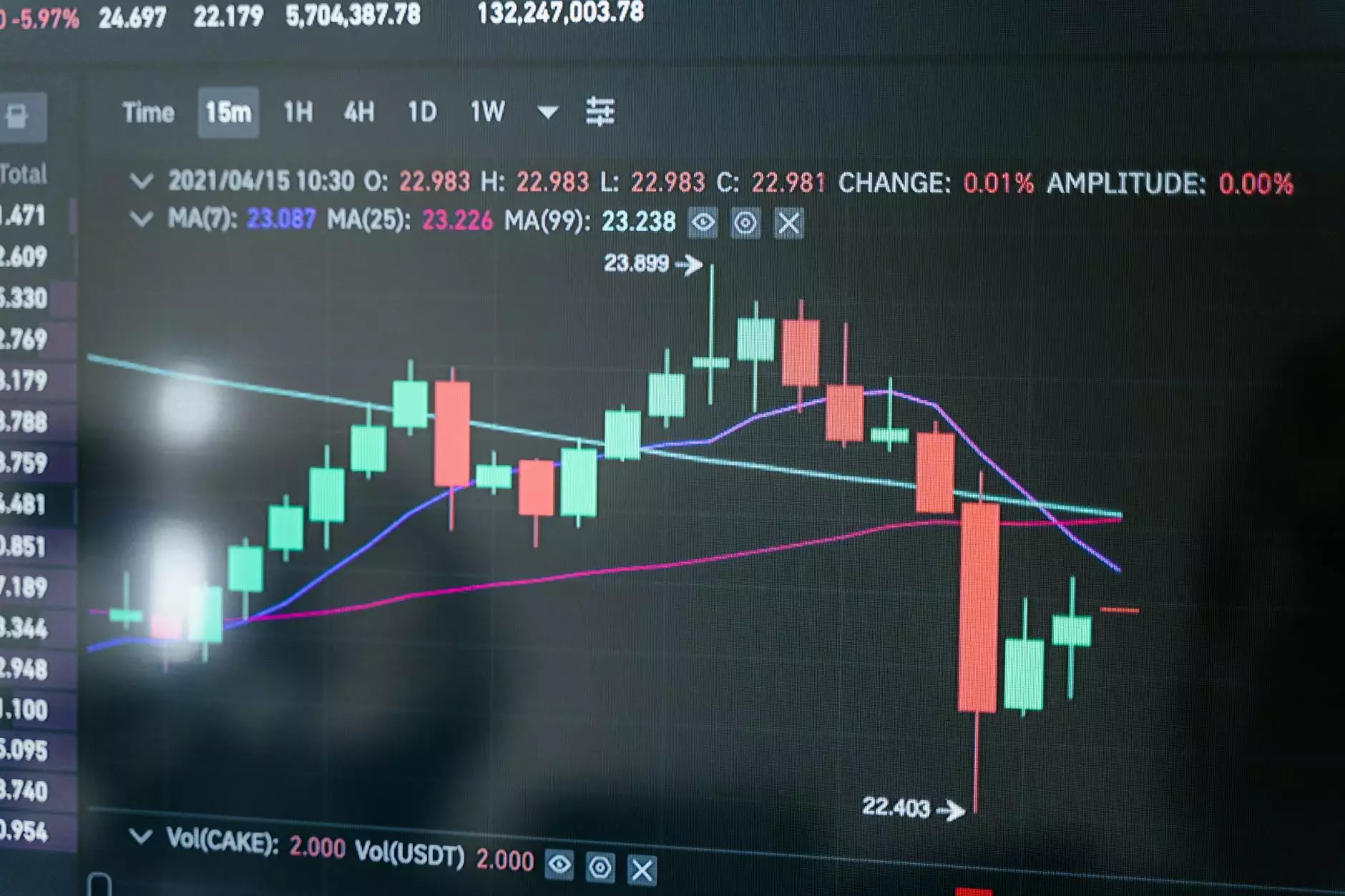
In today’s fast-paced financial markets, many investors are seeking innovative and flexible trading strategies that balance risk and reward effectively. Swing trading has emerged as a popular approach, blending the art of technical analysis with disciplined risk management to capitalize on short- to medium-term market movements. If you're wondering how to start swing trading and want to position yourself for consistent profits, this comprehensive guide will equip you with the knowledge, techniques, and tools needed to succeed in this lucrative trading style.
Understanding Swing Trading: The Foundation of Profitable Market Engagement
Before diving into the mechanics of how to start swing trading, it's essential to understand what swing trading fundamentally entails. Unlike day trading, which involves executing multiple trades within a single trading day, or long-term investing, which holds assets for extended periods, swing trading focuses on capturing short- to medium-term gains over days or weeks.
Swing traders analyze price patterns, technical indicators, and market sentiment to identify trading opportunities that align with prevailing trends. The goal is to hold positions long enough to profit from expected price swings but avoid prolonged exposure to market volatility. By practicing disciplined entry and exit strategies, swing traders aim to maximize profitability while minimizing risks.
Key Benefits of Swing Trading
- Flexibility: Swing trading can be tailored to fit your schedule, making it suitable for part-time traders or full-time investors.
- Risk Management: With proper analysis, swing traders can set stop-loss orders to limit potential losses.
- Reduced Stress: Compared to day trading, swing trading typically involves fewer trades and less constant monitoring.
- Potentials for Consistent Income: When executed correctly, swing trading can generate regular profits over time.
- Broad Market Participation: Swing trading applies effectively across various asset classes, including stocks, forex, cryptocurrencies, and commodities.
Step-by-Step Guide on How to Start Swing Trading
1. Educate Yourself About Market Mechanics and Technical Analysis
Successful swing trading begins with a solid understanding of market fundamentals and technical analysis. You should familiarize yourself with concepts like price charts, candlestick formations, trend lines, support and resistance levels, and key technical indicators such as Moving Averages, Relative Strength Index (RSI), Moving Average Convergence Divergence (MACD), and Bollinger Bands.
Invest in quality educational resources—books, online courses, webinars—and consider subscribing to financial news platforms to stay informed about market trends and economic indicators that influence price movements.
2. Choose the Right Trading Platform and Tools
To effectively implement your swing trading strategies, selecting a robust trading platform is crucial. Look for platforms that offer real-time data, advanced charting tools, customizable alerts, and reliable order execution. Examples include MetaTrader, TradingView, or broker-specific platforms like TD Ameritrade’s ThinkorSwim.
Leverage analytical tools such as backtesting software to validate your trading strategies and simulate different market scenarios. A highly functional platform simplifies the decision-making process and enhances your ability to react swiftly to market signals.
3. Develop a Powerful Trading Strategy
An effective swing trading strategy hinges on clear rules for entry, exit, and risk management. Common approaches include:
- Trend Following: Enter trades when a clear trend is established, such as crossing moving averages or breakouts above resistance levels.
- Counter-Trend Trading: Identify short-term pullbacks within a dominant trend to capitalize on temporary reversals.
- Range Trading: Buy near support and sell near resistance when the asset is fluctuating within a defined price channel.
Determine your entry points based on technical signals, set stop-loss orders to manage downside risk, and establish profit targets aligned with your risk-reward ratio. Consistent backtesting and refinement of your strategy are essential for sustained success.
4. Implement Strong Risk Management Techniques
Risk management is the backbone of long-term success in swing trading. Never risk more than a small percentage of your trading capital on a single trade—common guidelines suggest 1-2%. Utilize stop-loss orders to limit potential losses and take-profit orders to secure gains when your target is reached.
Additionally, diversify your trades across different assets or sectors to mitigate risks associated with unforeseen market events. Maintaining a trading journal helps you review past trades, learn from mistakes, and continually improve your methodology.
5. Practice with a Demo Account Before Real Trading
Before risking your hard-earned money, open a demo account to practice executing trades under real market conditions without financial risk. This step allows you to test your strategies, refine your decision-making process, and gain confidence in your trading skills.
6. Begin Live Trading with Cautious Progression
Start with a small trading capital that you can afford to lose. Gradually increase your position sizes as you gain experience and consistent results. Stick strictly to your trading plan, avoid emotional decision-making, and continuously monitor your trades for adherence to your strategy.
Essential Technical Indicators Used in Swing Trading
Effective swing traders analyze a combination of technical indicators to confirm trade signals. Here are some of the most widely used indicators:
- Moving Averages (MA): Help identify trend direction and potential support/resistance levels.
- Relative Strength Index (RSI): Measures overbought or oversold conditions, signaling potential reversals.
- MACD: Provides insights into momentum and trend reversals through signal line crossovers.
- Bollinger Bands: Indicate volatility and potential breakout or reversal points based on price deviations.
- Stochastic Oscillator: Highlights overbought and oversold levels, aiding in timing entries and exits.
Market Conditions Favoring Swing Trading
Understanding market conditions is vital in choosing the right moments to swing trade. Favorable conditions generally include:
- Trending Markets: Clear upward or downward trends provide more predictable price swings.
- Consolidation Phases: Range-bound markets offer defined support and resistance levels for range trading.
- High Volatility: Increased price movements create more opportunities for profitable swings.
Conversely, choppy or sideways markets should be approached with caution, as they increase the risk of false signals.
Common Mistakes to Avoid When Learning How to Start Swing Trading
Even experienced traders make mistakes, especially when starting out. Being aware of these pitfalls can improve your odds of success:
- Overtrading: Attempting to take every potential signal can lead to unnecessary losses.
- Ignoring Risk Management: Failing to set stop-loss levels can wipe out your capital.
- Chasing the Market: Jumping into trades based on emotion rather than analysis results in poor decisions.
- Neglecting a Trading Plan: Without clear rules, discipline deteriorates, and losses mount.
- Failing to Review and Adapt: Markets evolve, and strategies need ongoing refinement.
The Role of Financial Services and Advising in Supporting Swing Traders
While the core of successful swing trading relies on technical skills and discipline, leveraging professional guidance and financial services can enhance your trading practice. At bullrush.com, we offer comprehensive financial advising and IT services & computer repair to optimize your trading infrastructure and decision-making processes.
Customized Financial Strategies
Expert financial advisors analyze your financial goals, risk tolerance, and investment horizon to tailor strategies that complement your swing trading activities. They can help you diversify your portfolio, understand tax implications, and plan for long-term wealth accumulation.
IT Infrastructure and Data Security
Reliable, secure, and fast technology is critical for timely trade execution. Our IT services & computer repair ensure that your trading setup remains optimized, minimizing downtime and technical issues during critical market moments.
Final Thoughts: Embarking on Your Swing Trading Journey with Confidence
Learning how to start swing trading is a rewarding endeavor that combines technical expertise, strategic discipline, and ongoing education. Success in swing trading doesn't happen overnight; it requires patience, continuous learning, and a commitment to refining your approach.
By understanding market mechanics, utilizing powerful analysis tools, practicing disciplined risk management, and leveraging professional support where needed, you position yourself for sustainable profitability and long-term financial growth.
Remember, the key to mastering swing trading lies in persistence and adaptability. Start small, stay disciplined, analyze your results, and gradually expand your trading activities as your skills mature.
For tailored financial advice and cutting-edge IT support to enhance your trading environment, visit bullrush.com and discover how we can assist you in achieving your financial aspirations.